Today’s development cycle brought some solid improvements across my three main projects, focusing on user experience and platform optimization.
Shmotime Enhancements
I tackled two important issues on Shmotime that should make the platform more accessible and shareable. First, I improved the Twitter card overrides to apply automatically to all Shmotime episode types. This means posts will now embed properly on platforms like Twitter, at least when viewed on PC – a small but crucial improvement for content discoverability.
The second major fix addressed performance issues on mobile devices. I’ve implemented a smart lighting system that automatically enables lighting but disables shadows for mobile users, while desktop users still get the full visual experience. This should significantly improve performance on mobile without sacrificing the visual quality for those with more powerful devices.
Lurk Mode Updates
Lurk Mode’s LAN party feature received the same mobile lighting optimization, ensuring consistent performance across both projects. But more importantly, I’ve made substantial improvements to the connection handling system.
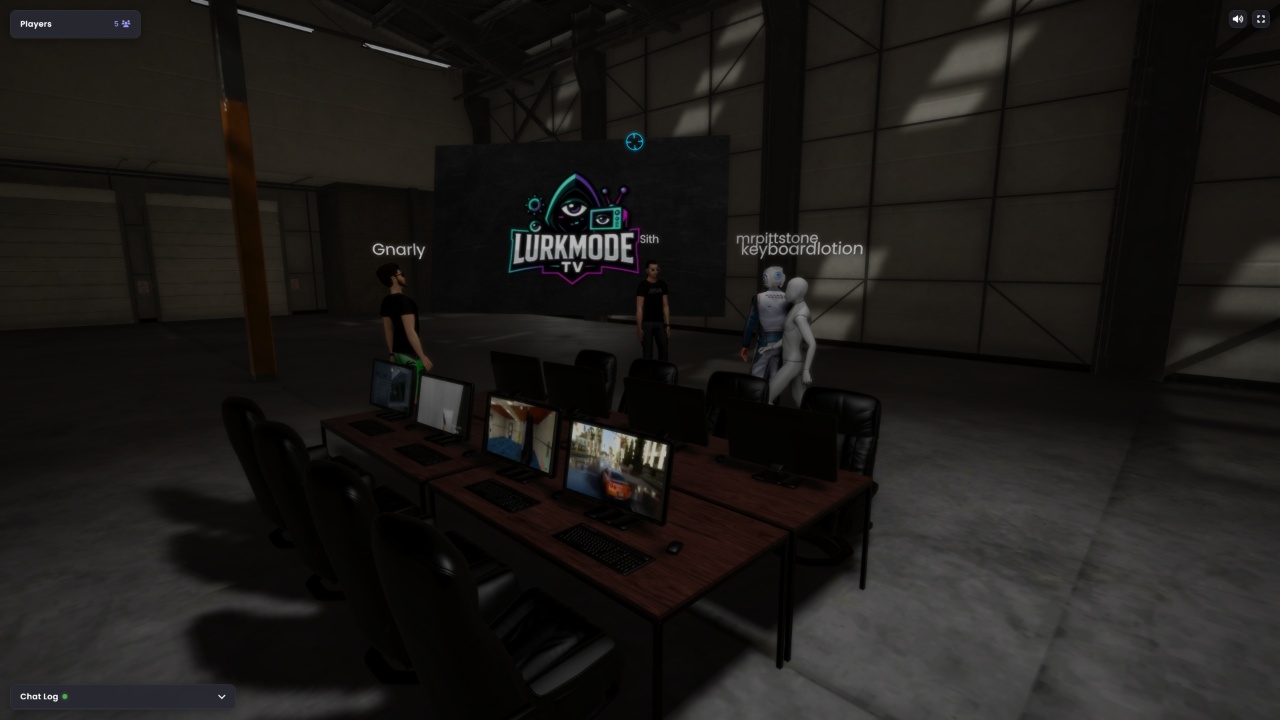
The chat log status now accurately shows the correct connection state, even when the local computer is the one that gets disconnected – previously this was a blind spot in the system. I’ve also enhanced the player and streamer list functionality to properly restore after connection losses, making the whole multiplayer experience more robust.
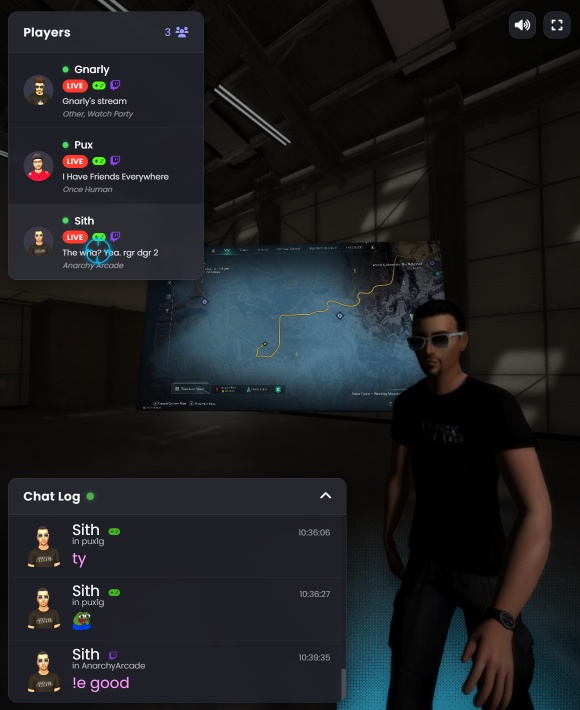
The player list itself has been redesigned to be more condensed while displaying all the new connection information in a cleaner, more accessible format.
Auto Blogger Feature Expansion
Auto Blogger got some powerful new functionality with the addition of a Settings mini panel in the Dictation feed builder. This new feature streamlines the content creation workflow significantly.
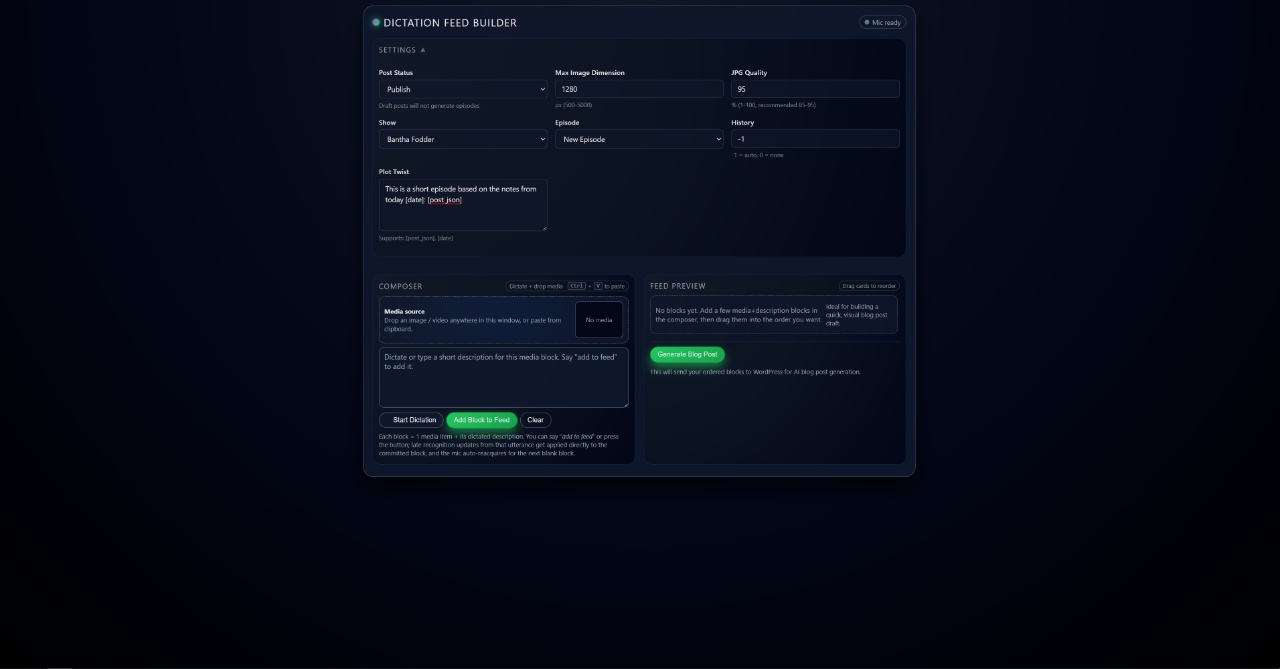
The panel allows users to automatically create a Shmotime episode directly from a blog post with just one click. You can set your default publish or draft status right within the interface, and there are additional customization options available. One of the most interesting features is the ability to customize plot twists using mock-up shortcodes that can swap in dynamic content like dates or post bodies, giving users precise control over how their episodes are generated.
While the current interface shows “the whole kitchen sink” of options, I’m planning to simplify it soon to make it more user-friendly while retaining all the powerful functionality.
These updates represent another step forward in making all three platforms more reliable, performant, and user-friendly across different devices and use cases.