I was working on other projects when I saw the Vibe Jam 2026 announcement and decided to pivot completely. Sometimes you just have to chase the inspiration when it strikes.
The result is Banished – basically a Forsaken 64 clone (though most people would probably think of Descent). It’s a 6DOF space shooter set in a dystopian future where robots are citizens and modifying them gets you banished from society. That’s when the bounty hunters come for you.
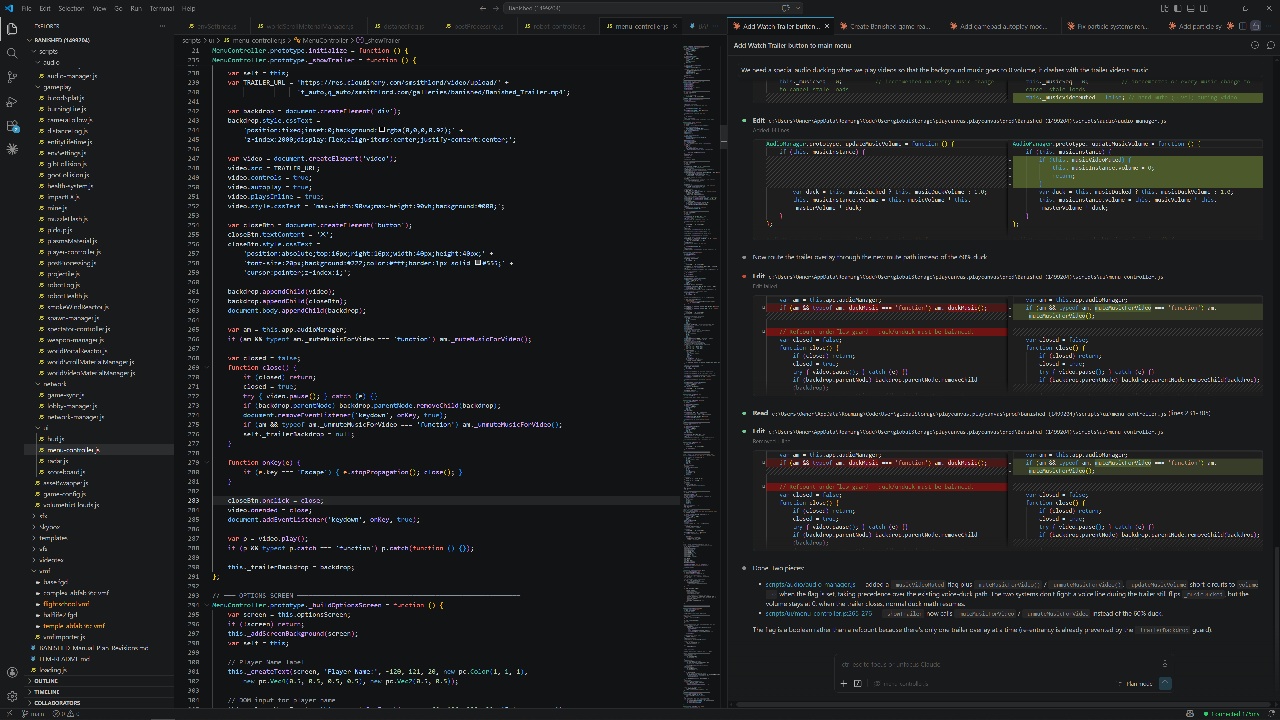
Here’s the wild part: 100% of the code was written using Opus, from start to finish. I didn’t write a single line of code myself. It all runs in the PlayCanvas engine.
The Villain and World Building
The game’s antagonist is a repair technician who gets increasingly frustrated with players tampering with his robot citizens. He doesn’t appear as a 3D model in gameplay, but he’s featured throughout the trailer and story elements.
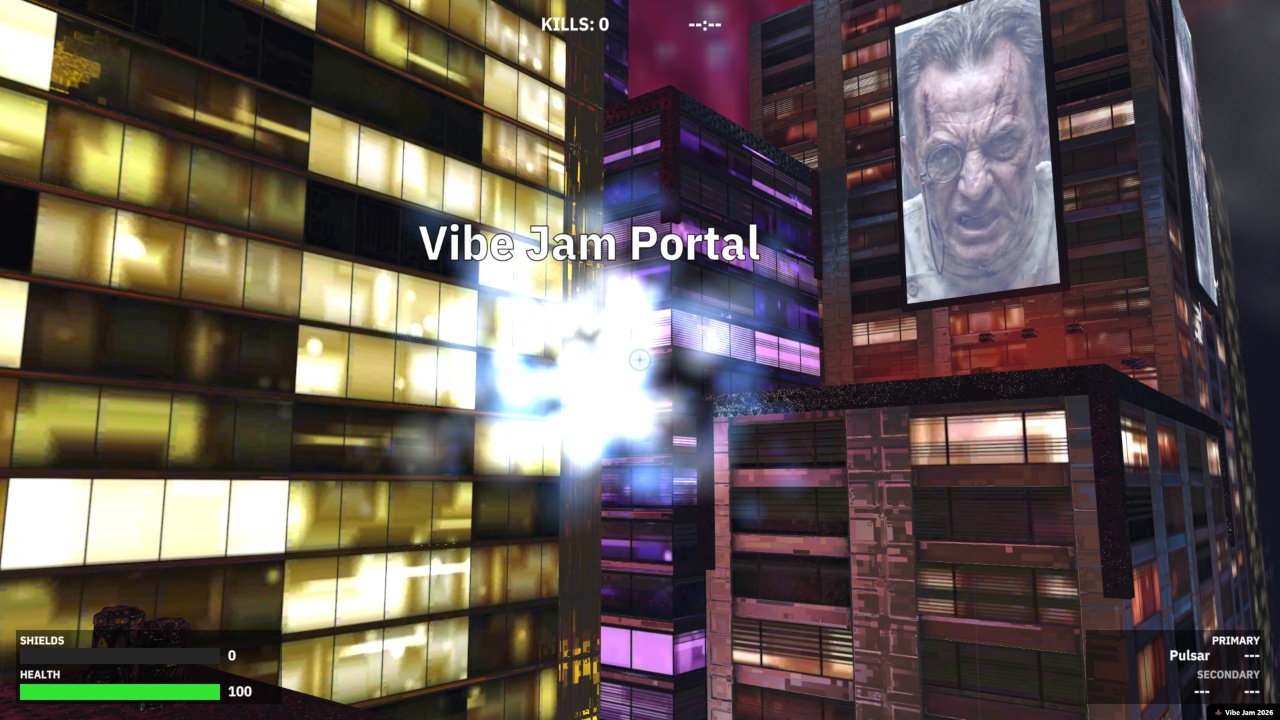
He even shows up in the Flight School mission, yelling at you from big screens throughout the dystopian city. I used ElevenLabs and LTX for those sequences.
AI-Generated Asset Pipeline
For art direction, I developed a workflow starting with ChatGPT for 2D concept images, then running those through Meshy to become game-ready 3D models. I’d generate asset references as collections in grids so the AI would think of them as cohesive sets.
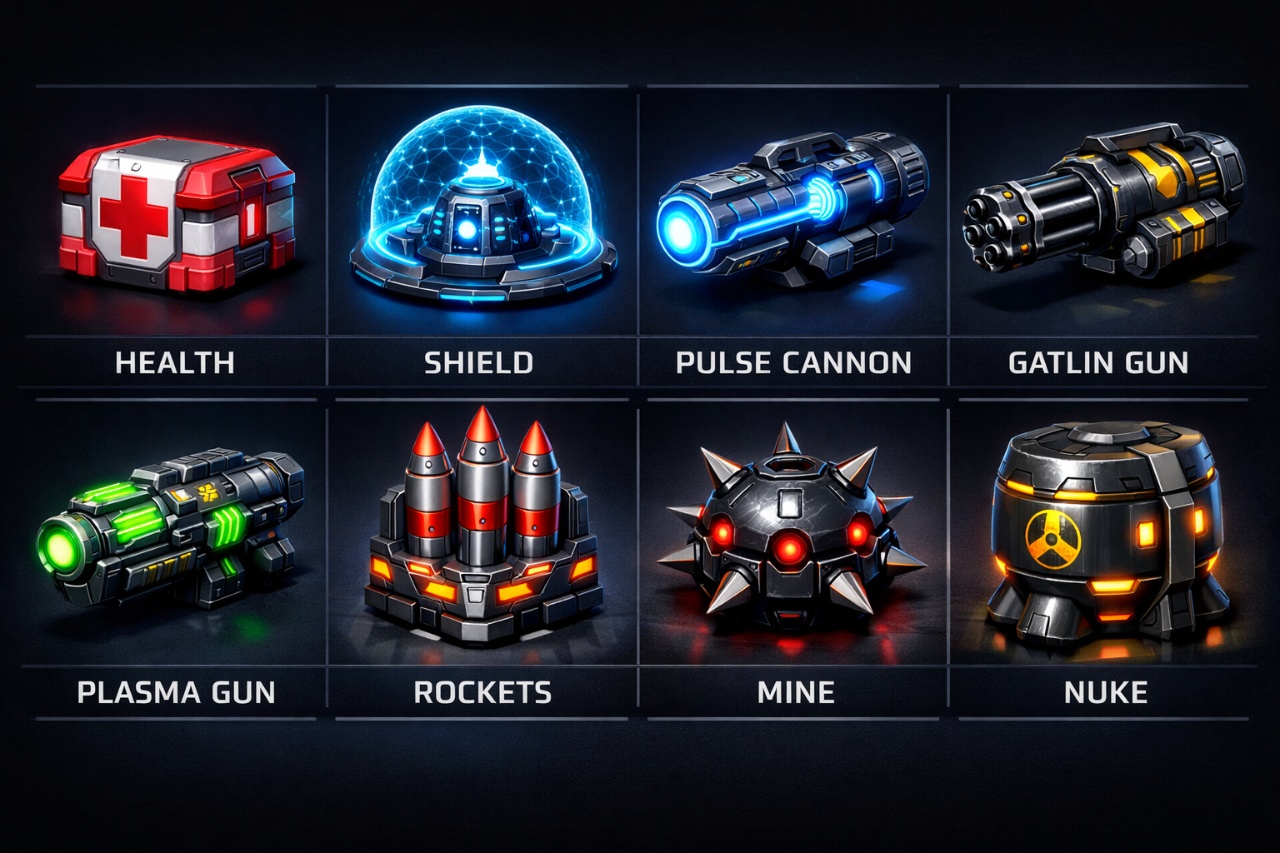
The 3D models came out surprisingly usable – around 7k faces for complex assets like rockets. Not too low-poly, but definitely game-ready.
The gore effects were so realistic that ChatGPT started getting concerned about my mental state when I kept asking for more blood and guts!
Characters and Audio
Player characters followed the same pipeline – ChatGPT concepts, then Meshy for game models. But since Banished has an AI-generated trailer, they also went through Nano Banana and Grok for cinematic sequences.

ElevenLabs generated all the character voices, sound effects, and music. The entire audio landscape is AI-created.
Level Design and Tech
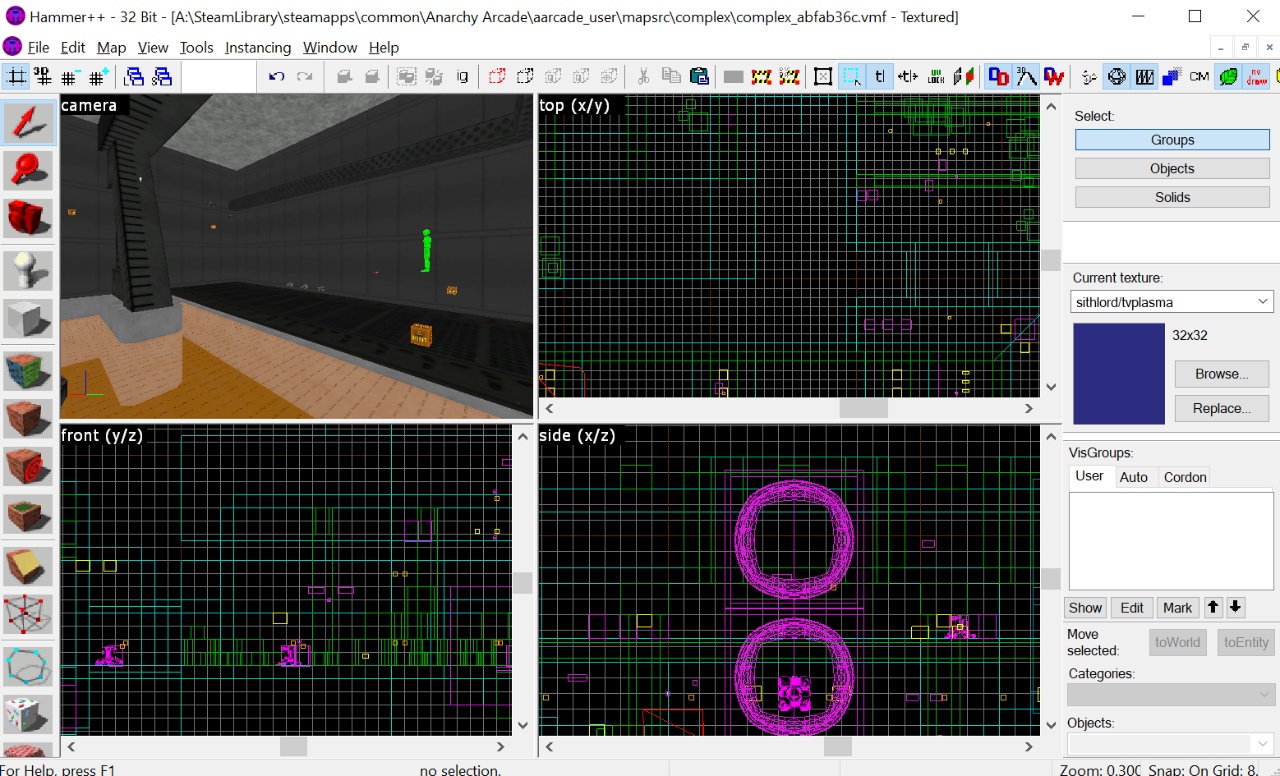
While the levels themselves aren’t AI-generated, the entire import pipeline is AI-coded. I used the Hammer level editor from Half-Life 2, with AI writing support for complex entity I/O, particle systems, and other features. I design in Hammer++, then drop the VMF files straight into PlayCanvas.
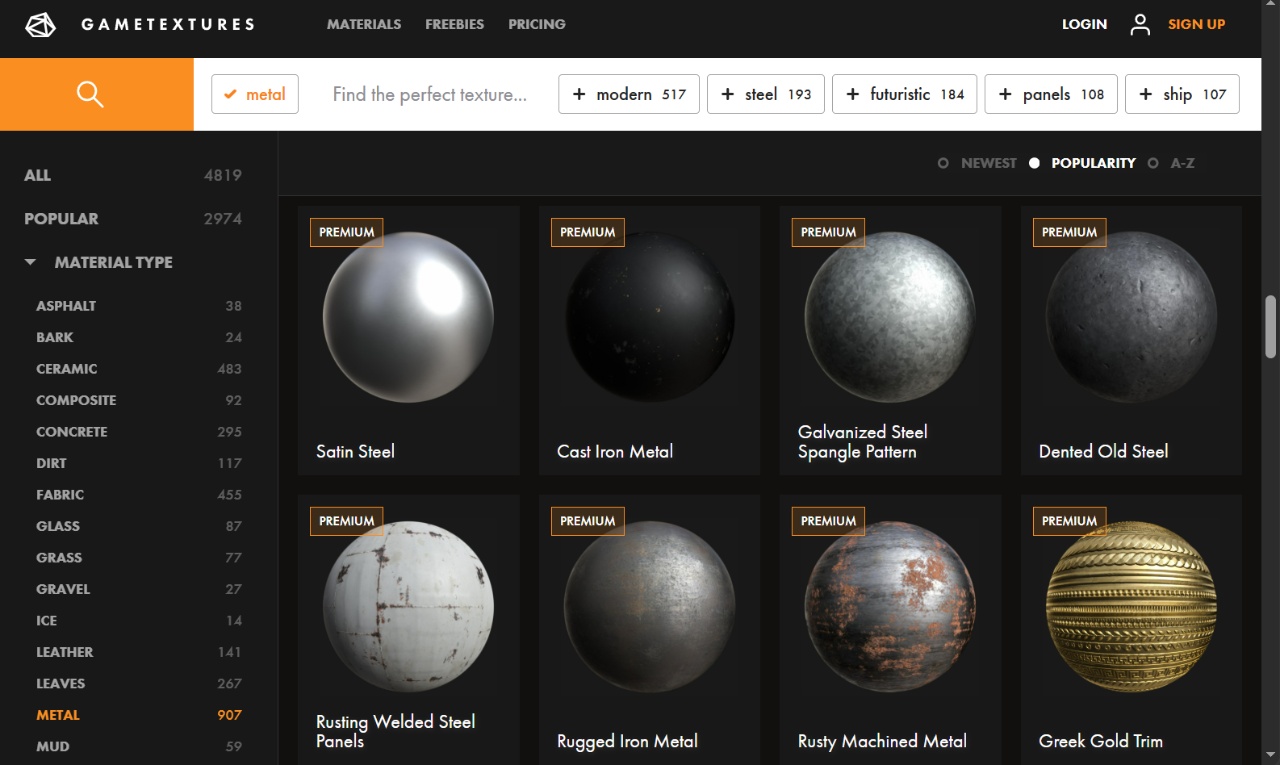
For materials, I used GameTextures.com. The game supports 2k textures and volumetric clouds on HIGH settings, but defaults to LOW (512×512 textures) for optimization.
Advanced Effects
AI was incredibly good at writing shaders and particle systems. Some features work perfectly but never made it into the final game, like this Terminator-inspired targeting mode:
The particle physics are particularly satisfying – smoke gets pushed away by explosions and slowly creeps back, while toxic gases sink to the ground because they’re heavier than fog.
Vibe Jam Integration
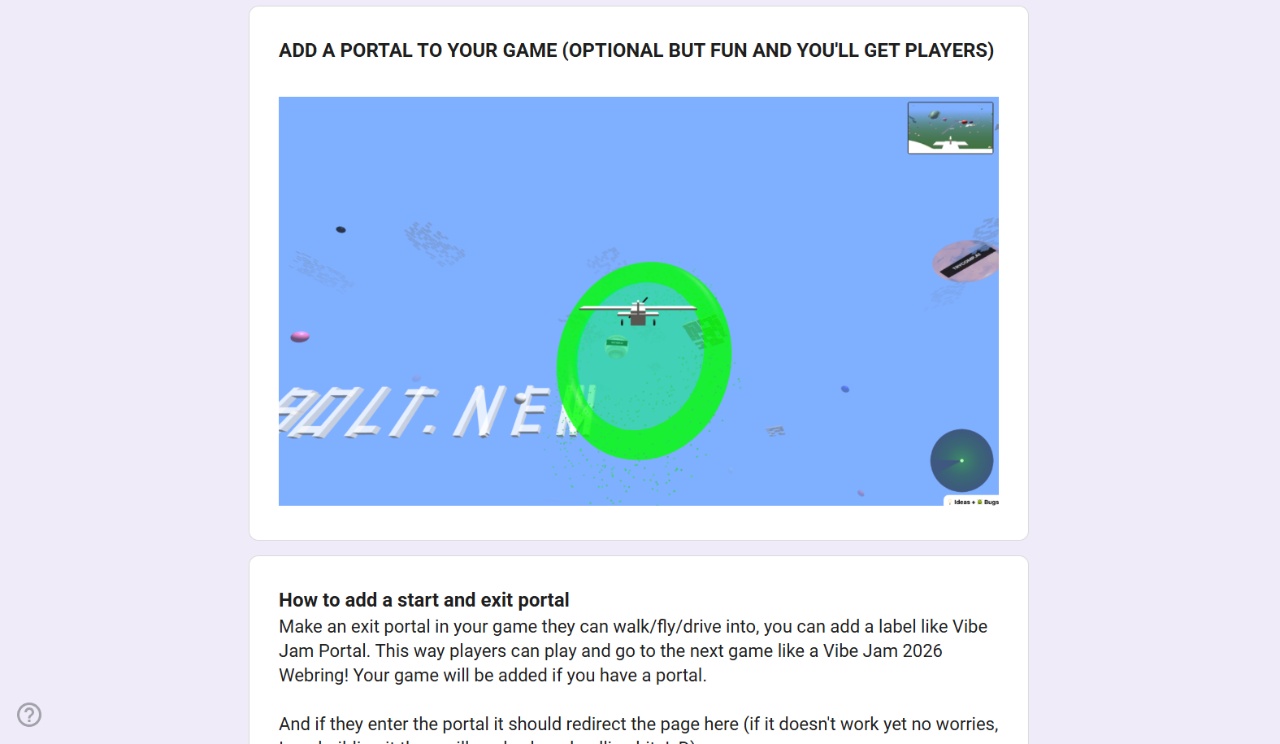
One unique aspect of Vibe Jam 2026 was the in-game webring concept – portals that let players fly between different games, with return portals automatically created via URL parameters.
Multiplayer and Bots
To keep everything as static HTML, I implemented PeerJS for peer-to-peer networking – old school style. Beyond the NPC robot enemies, I also added player bots that mimic human behavior to keep games feeling populated.
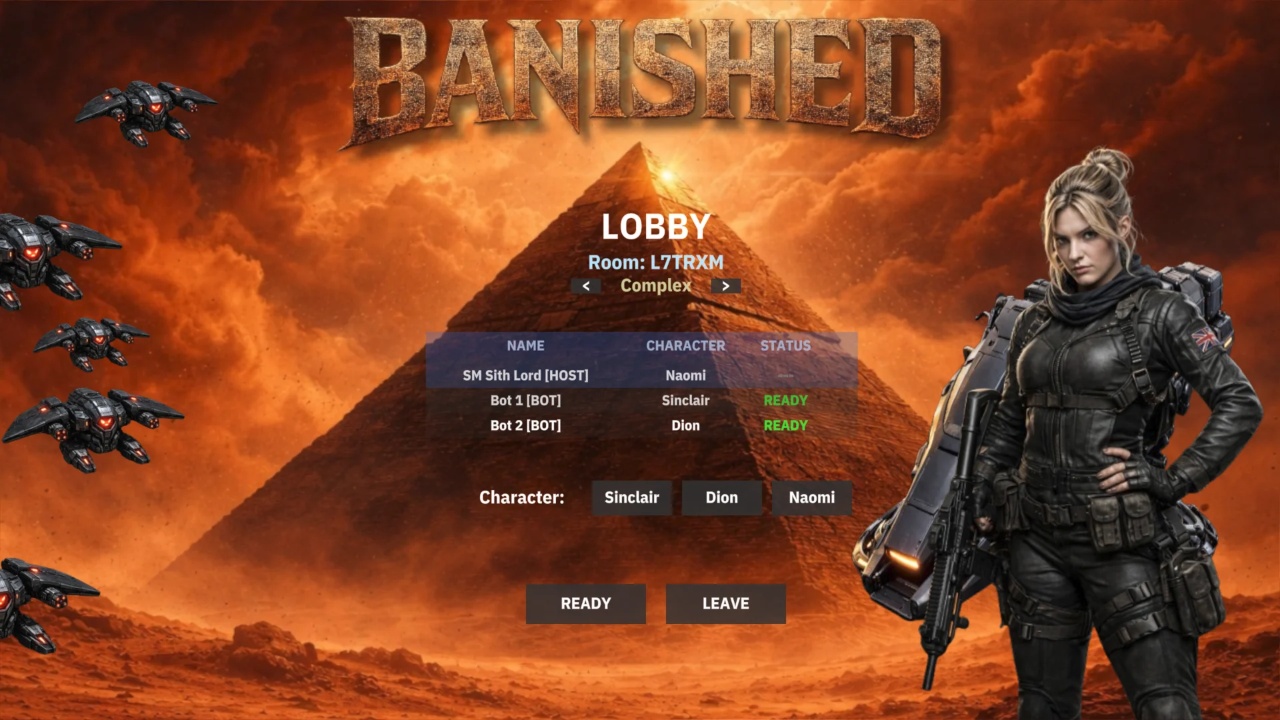
Play Banished now at banished.smsithlord.com!
Next time I’ll be back to tell you about a new AArcade version I’m building on OpenJKDF2, the open source remake of Jedi Knight: Dark Forces II. Peace!